Activities

Northern Mallorca: Inside Pollença and Port de Pollença, the Island’s Most Authentic Corner Most visitors to Mallorca never make it past the resort strips of the south and east coast.…
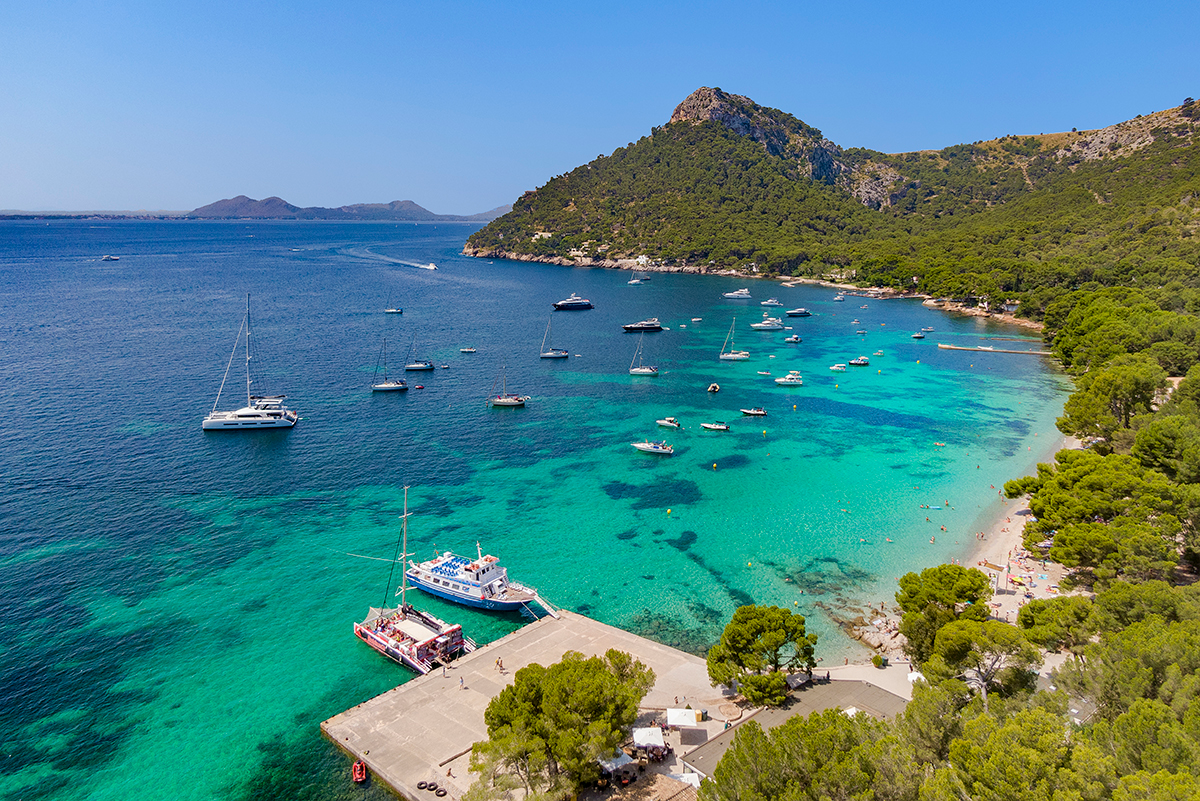
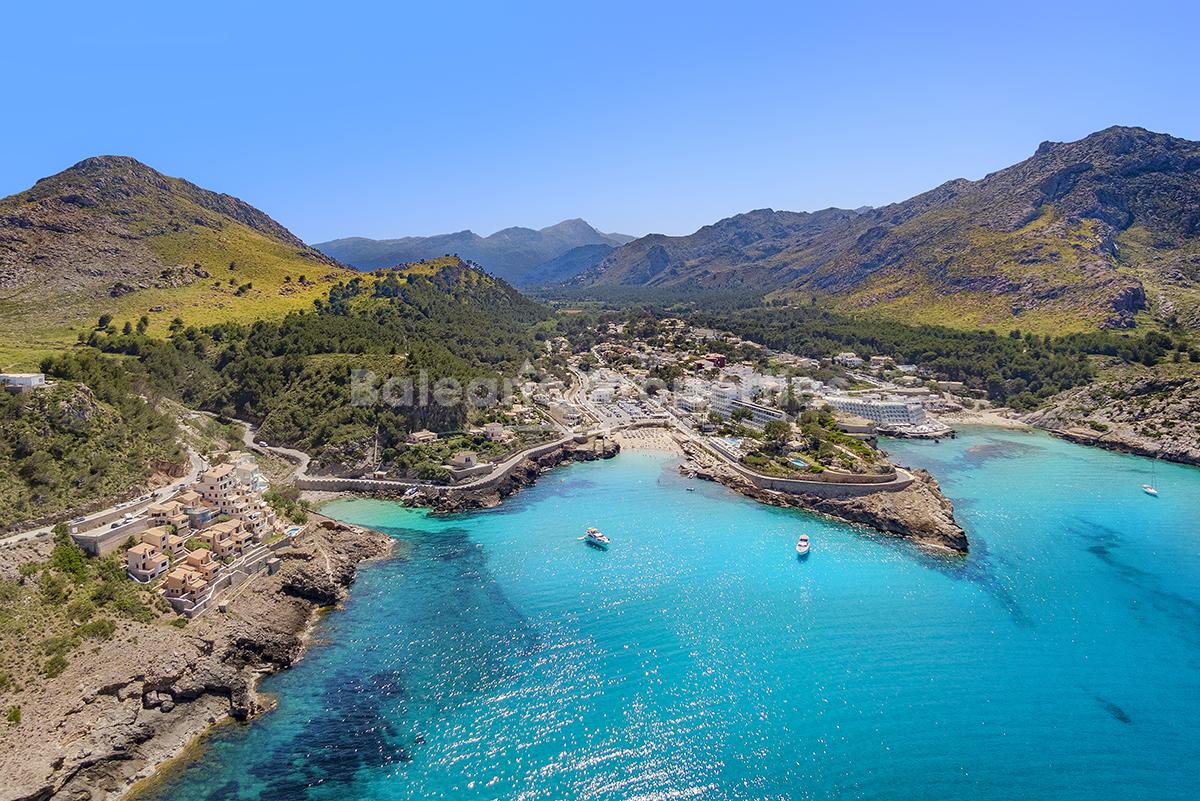
Most visitors to Mallorca never make it past the resort strips of the south and east coast. That is precisely why Pollença and Port de Pollença, tucked into the island’s northern tip, still feel like they belong to the people who actually live there. Life here runs on older rhythms: a Sunday market that fills the old town, warm evenings by the water, a hilltop hermitage at dawn, and a coastline that turns gold at sunset over Formentor Bay. This is Northern Mallorca away from mass tourism — and it rewards anyone willing to slow down.
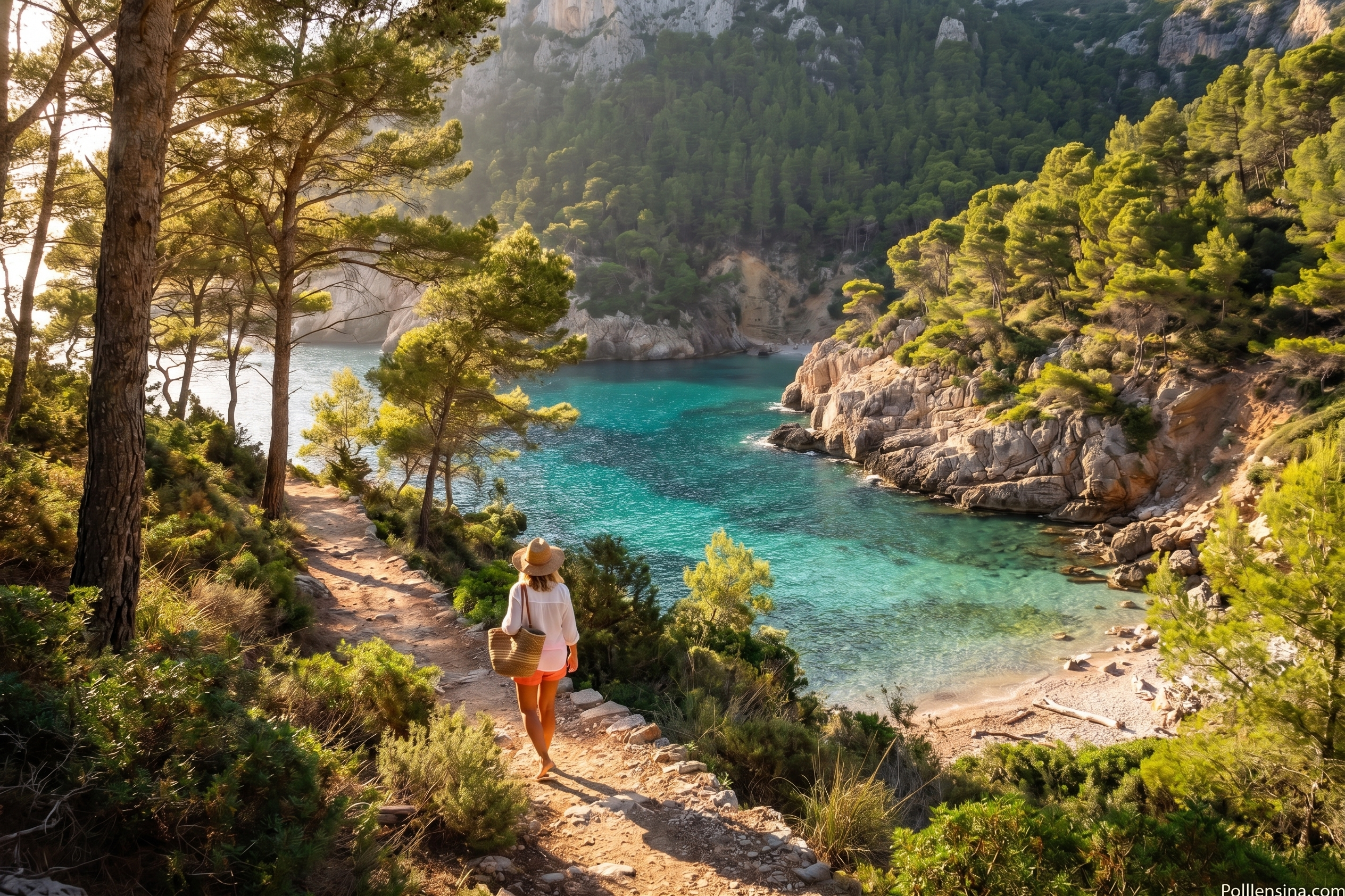
Immerse yourself in the breathtaking landscapes of northern Mallorca. Explore hidden trails shaded by lush pine forests and discover the island’s most pristine, crystal-clear coves. Rock-hop along the rugged coastline and dive into the turquoise waters to uncover spectacular submarine treasures. Connect with nature, embrace the serenity, and experience the true essence of the Mediterranean.
Every Sunday, from 8:00 to 13:30, Pollença’s old town becomes a market town in the fullest sense. Around 300 stalls spread across Via Pollentia, the Plaça Major and Ca Les Monnares square, selling everything from fresh produce and cheese to leather goods, ceramics and plants grown on the island (pollensa.com). It is not staged for visitors — locals do their weekly shopping here too — which is exactly what makes it worth arriving early for. Grab a coffee on the square, browse the stalls, and let the morning set the tone for the rest of the day.
As the sun drops, the centre of gravity shifts to Port de Pollença’s palm-lined promenade. Restaurants set up tables facing the bay, families walk the seafront, and the town’s low-key nightlife takes over — including regular live jazz sessions at waterfront spots such as Laguna, which runs jazz nights through the summer season (puertopollensa.com). Mid-July brings the Festes del Carme, the traditional feast of the fishermen’s patron saint, with a blessed procession of decorated boats out on the bay — one of the most genuine local celebrations on this stretch of coast.
Music lovers with a taste for something more formal should also look out for the International Classical Music Festival of Pollença, held over several weeks in summer in the cloister of the Convent of Sant Domingo, a tradition running since the 1960s (festivalpollenca.com).
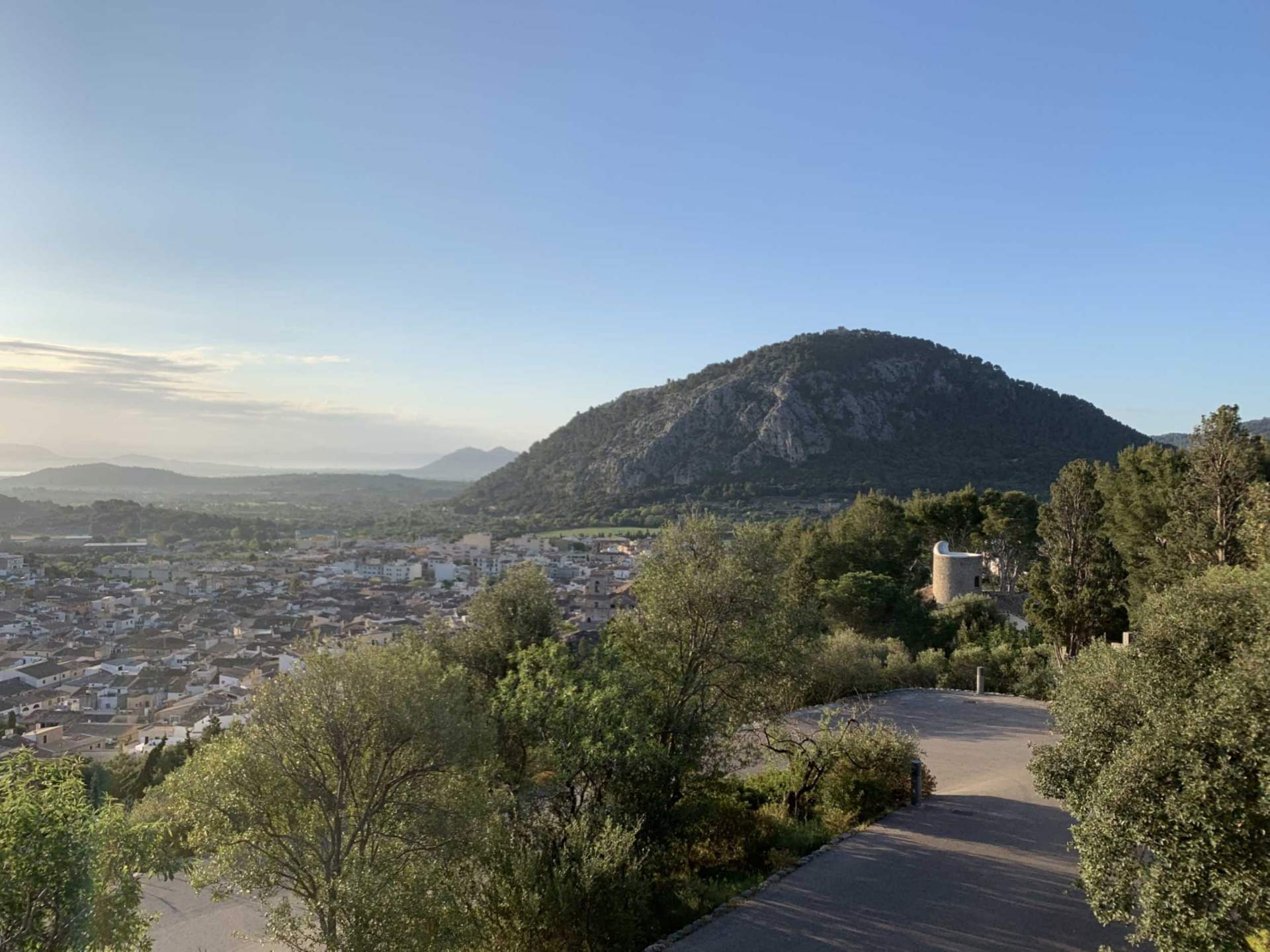
For the best sunrise in Northern Mallorca, climb Puig de Maria, an isolated 321-metre peak rising straight out of the Pollença plain. The site has been inhabited since Arab times, when it held a hilltop fortress; in the 14th century it became home to Mallorca’s first community of cloistered nuns, who stayed until the 16th century, and later, from 1917, to a religious order that left the hermitage buildings still standing today (caminsdepedra, Consell de Mallorca). The walk up is an easy 4.2-kilometre round trip — about 1 hour 40 minutes with roughly 270 metres of ascent — but the reward at the top is a 360-degree view over the bay, the old town and the mountains beyond, best experienced before the rest of the island wakes up.
No visit north is complete without the drive out to Cap de Formentor, the northernmost point of Mallorca. The 13.5-kilometre road connecting Port de Pollença to the cape was carved through the cliffs in 1925 by engineer Antonio Parietti, and its switchbacks still make it one of the most dramatic drives on the island (Wikipedia). Stop at the Mirador des Colomer for a 300-metre-high view stretching toward Menorca, then continue to the lighthouse, built in 1863 at the peak’s tip, reachable for centuries only by sea or mule track before the road existed.
On the way back, the small, sheltered cove known as Formentor Bay, by the historic Hotel Formentor, is where the day should end: pine-backed cliffs turning copper as the sun drops behind the Tramuntana mountains and the water below shifts through every shade of turquoise.
No. Pollença is the inland old town, about 6 km from the coast; Port de Pollença is its seaside counterpart on the bay. Many visitors base themselves in one and visit the other as a short trip.
Every Sunday, from 8:00 to 13:30, in the historic centre of Pollença.
No — it’s rated easy, around 4.2 km round trip and 1 hour 40 minutes, though the path is uneven and not suitable for pushchairs or wheelchairs.
The road from Port de Pollença to the lighthouse is 13.5 km of winding, narrow cliff road — allow at least 45–60 minutes each way, more with stops at the viewpoints.
Yes. Compared with the resort areas of the south and east coasts, Pollença and Port de Pollença have kept a slower, more local pace, with lower-rise development and a stronger year-round Mallorcan community.
For a countryside base in this part of the island, discover Can Perot in the Vall de March near Pollença.
Tell us your dates and what you're looking for. We'll help you find the perfect villa and design a week you'll remember.
Stay Connected
Get exclusive updates on our villas, seasonal experiences and stories from Mallorca.